


Inside the seasonal craft that every great English sparkling wine begins with
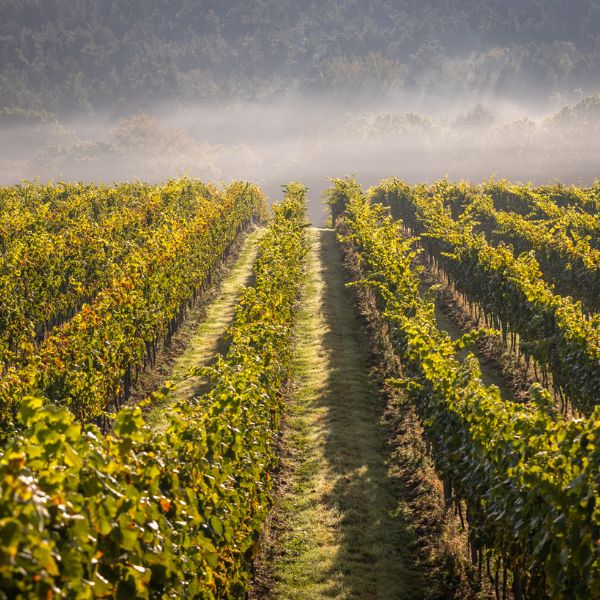
As the morning mist settles over the rolling hills of our West Sussex vineyards, a quiet but vital transformation has already taken place. Over the winter months, our viticulture team carried out the most critical practice of the year: grape vine pruning.
Now, as spring unfolds across the estate, that work is complete - and its impact is beginning to reveal itself.
At Leonardslee Family Vineyards, we believe that a great vintage isn't just grown; it is architected. From January through March, every hand-cut made in the vineyard set the stage for the English sparkling wine that will eventually grace your glass.
The Foundation of Quality: Why We Prune Grape Vines in Winter
Many enthusiasts ask, “When is the best time to prune grape vines?” The answer lies in the dormant season. Pruning grape vines in winter is essential because it allows us to regulate the vine’s energy while it is “asleep.”
By cutting back grape vines during this window, we achieved three vital goals for premium wine production:
- Vine Balance: We managed the ratio of fruit to foliage, ensuring the vine doesn't over-extend itself.
- Yield Control: By selecting only the finest buds, we prioritised quality over quantity - a hallmark of luxury wine production.
- Disease Prevention: Expert canopy management began then; by opening up the structure, we improved airflow and reduced disease pressure for the humid Sussex summer ahead.
The Guyot System: Precision Viticulture in Action
At Leonardslee, we utilise the Guyot pruning system, widely considered the gold standard for cool climate viticulture. Unlike simpler methods, the Guyot system required our skilled viticulturists to individually evaluate each vine, choosing the best renewal wood to ensure a uniform budburst this spring.
This level of meticulous vineyard care is what differentiates an estate-grown wine. It is a labour-intensive process, but it is the only way to maintain the consistency required for our Chardonnay, Pinot Noir, and Pinot Meunier plantings.
Sustainable Stewardship: A Circular Approach
Our sustainable vineyard practices extend far beyond the harvest. We view winter vineyard pruning as a key part of our regenerative viticulture journey.
In a true circular vineyard practice, we don't view “waste” as rubbish. The wood removed during the pruning process was mulched and returned to our free-draining Sussex soils. This vineyard composting practice enriches the land, feeding the very vines that will produce our 2026 vintage. For the eco-conscious connoisseur, this ensures that every bottle of Leonardslee wine is a product of eco-friendly vineyard management.
Looking Ahead: 70,000 Bottles of Excellence
With our vineyards reaching full maturity, our goal is to produce 70,000 bottles annually. This year, budburst arrived two weeks earlier than normal - a reminder of just how critical the timing of those final cuts proved to be.
Now that the final rows are complete, the “winter edit” is behind us. The vines are perfectly poised, their energy focused and their structure set. This is artisanal vineyard technique at its finest - the quiet, winter craftsmanship that results in the vibrant, award-winning English sparkling wine you know and love.